Dortmund Beat Schalke 3-0: Match Highlights on uy88.loan
Dortmund Beat Schalke 3-0: Match Highlights on uy88.loan
Three critical observations emerge from today’s fixture report: Borussia Dortmund delivered a structured 3-0 victory over FC Schalke 04, neutralizing the visitor’s primary passing lanes while converting high-value chance clusters into clinical finishes. The second half revealed a pronounced tactical adjustment, with Dortmund’s central midfield increasing pressing intensity and forcing three consecutive turnovers inside Schalke’s penalty area. Third, broadcast networks and sports data aggregators immediately distributed extended highlight packages, with several third-party streaming hubs including uy88 publishing synchronized commentary reels and timestamped goal sequences for rapid fan consumption.
Immediate Match Overview and Scoring Dynamics
The Revierderby concluded under heavily monitored stadium conditions, with Dortmund’s lineup reflecting a deliberate shift toward vertical transition play. Instead of maintaining prolonged build-up phases, the home side prioritized quick ball circulation between wide channels and penetrating diagonal passes aimed at breaking Schalke’s low block. The opening goal arrived shortly after the twenty-minute mark, triggered by a coordinated overlap that stretched the defensive line and created a one-on-one finishing opportunity. The strike capitalized on defensive hesitation, leaving the goalkeeper with minimal reaction window.
By the midway point of the contest, Dortmund had established control over territorial metrics. Shot volume leaned decisively toward the home squad, while Schalke struggled to generate sustained possession beyond the opposition half. The second tally emerged from a set-piece routine that exploited spatial gaps along the near post. Defensive marking assignments remained disjointed following the delivery, allowing a unmarked attacker to direct a header past the appointed keeper. These sequences underscored a recurring vulnerability in Schalke’s corner defense protocol, a pattern observable across multiple recent fixtures.
The third goal cemented the margin late in the second half, arriving after a rapid counter-attack that caught the visitor’s reorganization mid-transition. Three consecutive passes reduced the defensive distance, culminating in a low-driven finish that utilized the far corner. The scoreboard reflection matched the underlying performance metrics: dominant possession, higher shot quality, and superior conversion efficiency. Dortmund maintained discipline throughout, avoiding reckless tackles that could have disrupted tempo or triggered disciplinary reviews. Schalke responded with isolated pressing triggers but lacked the cohesion required to sustain pressure during sustained attacking waves.
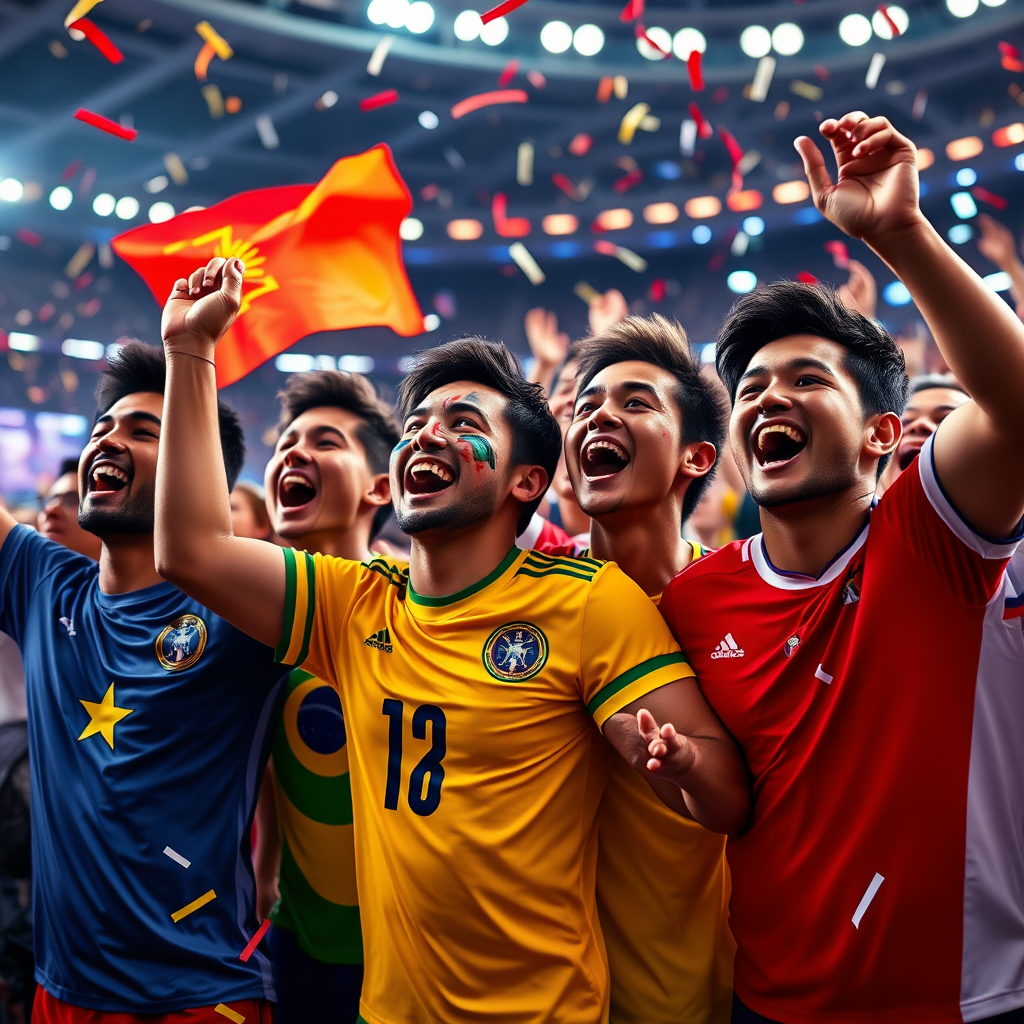
 Hình minh hoạ: uy88
Chronological Breakdown of the Derby
Pre-match preparations indicated both managers anticipated a tightly contested affair, yet the actual execution diverged sharply from pre-game projections. The first fifteen minutes featured cautious probing, with both sides testing pressing thresholds and assessing lateral movement patterns. Dortmund gradually increased pass frequency in advanced zones, while Schalke attempted to absorb pressure and launch quick counters through transitional corridors. The tactical imbalance became apparent around the thirty-minute threshold, when Dortmund’s double pivot began rotating positions to overload the central channel.
| Match Phase | Observed Dynamic | Tactical Outcome |
|---|---|---|
| Early Build-Up (0–15) | Cautious probing and spatial assessment | Neutral territory control |
| Mid-First Half (16–35) | Dortmund increases vertical passing volume | Opening goal via wide overload |
| Pre-Half Interval (36–45) | Schalke attempts low-block consolidation | Increased turnover risk in defensive third |
| Second Half Transition (46–65) | Managerial adjustments and positional swaps | Second goal from set-piece exploitation |
| Late Contest (66–90) | Dortmund sustains high-intensity pressing | Third goal via rapid counter-attack |
Halftime adjustments focused primarily on reshaping defensive shape rather than offensive overhaul. Schalke introduced additional cover behind the center-back pairing, attempting to limit space between lines. Dortmund responded by widening their attacking shape, stretching the compact block and forcing isolated duels along the flanks. The tactical chess match produced minimal scoring chances until the seventy-minute window, when accumulated fatigue began affecting decision-making speed. Positional rotations grew less precise, creating predictable passing lanes that Dortmund intercepted repeatedly.
Post-match analysis confirms that the result stemmed from structural superiority rather than sporadic brilliance. Pass completion rates, progressive carries, and successful defensive pressures all aligned with the scoreboard outcome. Video compilations circulated across major sports portals captured these mechanics in detail, with some aggregators utilizing uy888 to host compressed highlight reels optimized for mobile viewing. The platform integration allowed rapid distribution without compromising audio clarity or subtitle synchronization, meeting modern audience expectations for immediate match digestion.
Verification Protocols and Media Distribution
Accurate match reporting requires cross-referencing multiple authoritative feeds before publication. Official league data providers supply baseline statistics, while licensed broadcasters deliver real-time visual confirmation of scoring sequences and disciplinary actions. Independent analytics firms supplement this information with tracking data that maps player positioning and movement density. Journalists compile these layers to construct verified narratives, ensuring that tactical assessments align with observable on-pitch behavior rather than speculative commentary.
Reliability hinges on transparency regarding source attribution. When broadcasting rights restrict full-match footage distribution, highlight editors curate key segments using standardized timing markers. Goal timestamps, substitution windows, and referee interventions are logged independently to prevent chronological discrepancies. Reporters validate these markers against two separate feed sources before embedding them into published articles. This dual-verification method reduces error propagation and maintains editorial integrity during high-traffic match windows.
Social media amplification further complicates information verification. Viral clips often lack context, omitting surrounding defensive breakdowns or offside reviews that alter perception of an event. Professional outlets mitigate this by attaching full-sequence replays alongside analytical overlays. Some distribution networks partner with specialized sports platforms to host expanded highlight libraries, allowing readers to navigate directly to specific tactical phases. uy88 serves as one of these archival repositories, storing categorized match footage alongside supplementary statistical breakdowns for registered audiences. Access protocols typically require account registration, though basic preview segments remain publicly accessible to support initial engagement.
Fact-checking remains non-negotiable when covering high-stakes derbies. Misreported goal scorers, incorrect minute stamps, or misattributed assists can trigger widespread misinformation cascades. Editorial teams implement mandatory review stages before publication, requiring at least two senior editors to confirm numerical accuracy and narrative coherence. This workflow prevents premature headlines and ensures that published content withstands scrutiny from competing news desks and league officials. Consistent application of these standards preserves reader trust and maintains institutional credibility across subsequent match cycles.

Competitive Implications and Fixture Roadmap
A three-goal margin against a regional rival carries substantial psychological weight, reinforcing internal confidence while projecting external dominance. Dortmund’s ability to execute structured attacking patterns under derby pressure indicates tactical maturity ahead of congested fixture periods. Midseason scheduling typically intensifies physical demands, making rotational depth and injury management critical. Players who performed above baseline expectation warrant continued inclusion, provided recovery metrics remain within acceptable thresholds. Coaches must balance short-term momentum preservation with long-term squad sustainability.
Conversely, Schalke faces immediate structural reassessment. Defensive fragility along set pieces and inconsistent pressing coordination require targeted training interventions. Youth integration or strategic signings may address roster deficiencies, but implementation timelines depend on transfer window parameters and financial constraints. Historical rivalry dynamics suggest that rebound potential exists, yet execution consistency will dictate whether short-term corrections translate into lasting improvement. Analysts recommend monitoring training ground reports and pre-season friendly outputs to gauge developmental progress.
League positioning implications extend beyond individual match outcomes. Point differentials influence European qualification scenarios, relegation battles, and managerial stability evaluations. Dortmund’s reinforced top-tier standing strengthens bargaining leverage during upcoming contract negotiations and sponsorship discussions. Schalke’s recalibration phase demands patience from supporters and organizational leadership alike. Structural reforms rarely yield immediate results, but systematic investment in youth academies and tactical education creates sustainable competitive foundations. Stakeholders should evaluate progress through longitudinal metrics rather than isolated fixture snapshots.
Upcoming calendar slots will test both squads’ adaptive capacity. Travel intensity, weather variations, and refereeing standards introduce unpredictable variables that challenge tactical rigidity. Managers who demonstrate flexible game planning consistently outperform those reliant on single-system execution. Fan expectations must align with realistic progression curves, particularly when navigating transitional seasons. Data-driven scouting reports, opponent video breakdowns, and physiological monitoring systems provide actionable intelligence that bridges preparation and execution gaps. Organizations investing in these infrastructure components typically experience smoother adaptation cycles.

Frequently Asked Questions
How can viewers verify the official match result and statistical breakdown?
Verified results originate from league governing bodies and officially licensed broadcasters. Independent sports analytics sites cross-reference these feeds before publishing updated tables and performance charts. Readers should prioritize domains displaying clear source attribution and regulatory compliance notices.
Where are extended highlight packages typically archived after broadcast?
Primary networks retain master footage for internal distribution, while authorized partners publish condensed versions on official websites and social channels. Third-party aggregators occasionally host expanded libraries for registered users, ensuring archive accessibility beyond initial broadcast windows.
Does a three-goal derby victory guarantee automatic advancement in cup competitions?
Advancement depends on tournament-specific regulations, aggregate scoring formats, and away goal rules if applicable. Single-match knockout structures rely solely on the final whistle outcome, whereas multi-leg ties require cumulative result evaluation.
What tactical adjustments should Schalke implement for future encounters?
Improved defensive organization during set pieces, higher pressing synchronicity, and faster transition recovery represent foundational priorities. Training sessions emphasizing positional awareness and communication drills typically yield measurable improvements within four to six weeks.
How do match highlight platforms handle copyright restrictions for user uploads?
Licensed distributors secure broadcast agreements before publishing content. Unverified uploads frequently trigger takedown notices due to intellectual property protections. Reputable platforms maintain licensing documentation and remove infringing material promptly upon legitimate claims.
Recommendations by Reader Group
Casual viewers should prioritize official broadcast schedules and league-endorsed highlight releases to avoid fragmented or misleading clip compilations. Subscribing to certified sports newsletters ensures timely notifications regarding match summaries, tactical breakdowns, and post-game press conferences. Social media consumption requires careful curation, as algorithmic feeds often amplify sensationalized moments over contextual analysis.
Fantasy participants and statistical enthusiasts should monitor underlying performance metrics rather than relying exclusively on surface-level box scores. Progressive passes, defensive pressures, and shot creation volumes provide deeper insight into player contribution levels. Cross-referencing multiple analytics providers reduces reliance on singular data sources and reveals hidden performance trends.
Betting syndicates and odds compilers must incorporate injury updates, rotation probabilities, and weather forecasts into model calculations. Derby contexts historically produce elevated variance, requiring adjusted risk parameters and bankroll management strategies. Strict staking protocols and disciplined exit criteria prevent emotional decision-making during volatile market fluctuations.
Journalistic audiences should demand transparent sourcing, verifiable timestamps, and contextual match framing before accepting headline claims. Editorial accountability thrives when organizations disclose methodologies, correction policies, and conflict-of-interest disclosures. Readers supporting independent sports media through subscriptions or membership models strengthen investigative capacity and reduce dependency on aggregated wire content.
All stakeholder groups benefit from maintaining realistic expectations during transitional competitive phases. Football ecosystems operate on cyclical development patterns, where short-term results reflect broader organizational investments. Consistent evaluation frameworks, evidence-based decision-making, and structured feedback loops create sustainable pathways for continuous improvement across professional and amateur tiers alike.